New India Machinery Home

Category

Industry Analysis

18 articles

Fewer Dealers, Less Leverage: How Market Consolidation Is Rewriting the Rules for Heavy Equipment Buyers

Fewer Dealers, Less Leverage: How Market Consolidation Is Rewriting the Rules for Heavy Equipment Buyers

The consolidation of regional heavy equipment dealerships into national mega-distributors has fundamentally altered the balance of power in procurement negotiations. As competitive bidding opportunities shrink and supplier alternatives diminish, American industrial buyers face higher costs, reduced service flexibility, and fewer choices. Understanding how this consolidation operates—and how to counter it—has become a strategic imperative.

Territorial Lockout: How OEM Exclusivity Agreements Constrain Competition and Drive Up Costs for American Equipment Buyers

Territorial Lockout: How OEM Exclusivity Agreements Constrain Competition and Drive Up Costs for American Equipment Buyers

Exclusive territorial agreements between original equipment manufacturers and their authorized dealer networks have long shaped how heavy equipment reaches American industry — but mounting evidence suggests these arrangements systematically suppress competition and inflate regional pricing. This analysis examines the structural mechanics of dealer exclusivity, its documented effects on industrial buyers, and the strategies procurement teams can deploy to reclaim leverage.

The Quiet Destroyer: How Rotational Misalignment Is Draining Equipment ROI Across American Industry

The Quiet Destroyer: How Rotational Misalignment Is Draining Equipment ROI Across American Industry

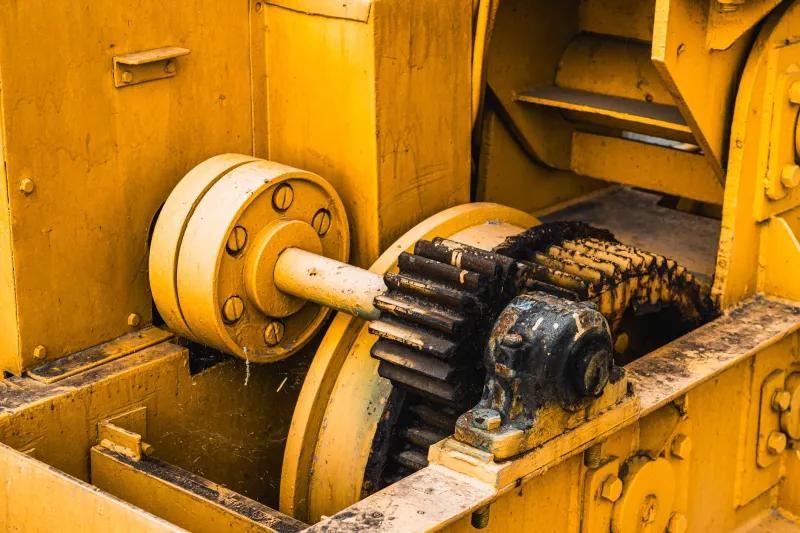
Mechanical misalignment ranks among the most prevalent and least discussed causes of premature equipment failure in U.S. manufacturing and construction operations. While the damage accumulates gradually and invisibly, the financial consequences — spanning replacement parts, energy waste, and unplanned downtime — are anything but subtle. This analysis examines what misalignment actually costs, how operators can detect it early, and why precision alignment programs represent one of the highest-ret

Hidden Failure, Visible Loss: What Bearing and Seal Breakdowns Are Really Costing American Manufacturers

Hidden Failure, Visible Loss: What Bearing and Seal Breakdowns Are Really Costing American Manufacturers

Premature bearing and seal failures are quietly draining millions from American manufacturing operations—yet most facilities continue to misdiagnose the root causes. From contamination pathways to improper installation practices, the factors driving these failures are preventable, and the diagnostic tools to catch them early already exist. Understanding why components fail before their time is the first step toward reclaiming that lost productivity.

When the Catalog Runs Dry: How American Manufacturers Are Engineering Their Way Past OEM Parts Obsolescence

When the Catalog Runs Dry: How American Manufacturers Are Engineering Their Way Past OEM Parts Obsolescence

As original equipment manufacturers discontinue legacy component lines, a growing number of American industrial operations are turning to reverse engineering, in-house fabrication, and boutique machine shops to keep critical equipment running. The practice carries real engineering, legal, and financial complexity — but for many facilities, it has become less a last resort than a deliberate strategy.

Cutting the Cord: How Independent Parts Distributors Are Outperforming OEM Channels on Price, Speed, and Service

Cutting the Cord: How Independent Parts Distributors Are Outperforming OEM Channels on Price, Speed, and Service

For decades, OEM captive channels held an iron grip on heavy equipment parts procurement. That grip is loosening — and independent distributors are stepping into the void with competitive pricing, faster fulfillment, and technical depth that major manufacturers struggle to replicate. This analysis examines how American industrial operations are rethinking their sourcing strategies and what they stand to gain.

Fifty Standards, Zero Consensus: How Fragmented State Certification Rules Are Grinding Heavy Equipment Operations to a Halt

Fifty Standards, Zero Consensus: How Fragmented State Certification Rules Are Grinding Heavy Equipment Operations to a Halt

Across the United States, heavy equipment operators and fleet managers are navigating a labyrinth of conflicting state licensing requirements, manufacturer recommendations, and industry standards that rarely align. The resulting compliance burden is more than an administrative inconvenience — it is a measurable drag on productivity, hiring, and operational continuity. This analysis examines why standardization efforts continue to stall and what the industry can realistically do about it.

When the Machine Says No: Confronting Payload Limits on America's Aging Heavy Equipment Fleet

When the Machine Says No: Confronting Payload Limits on America's Aging Heavy Equipment Fleet

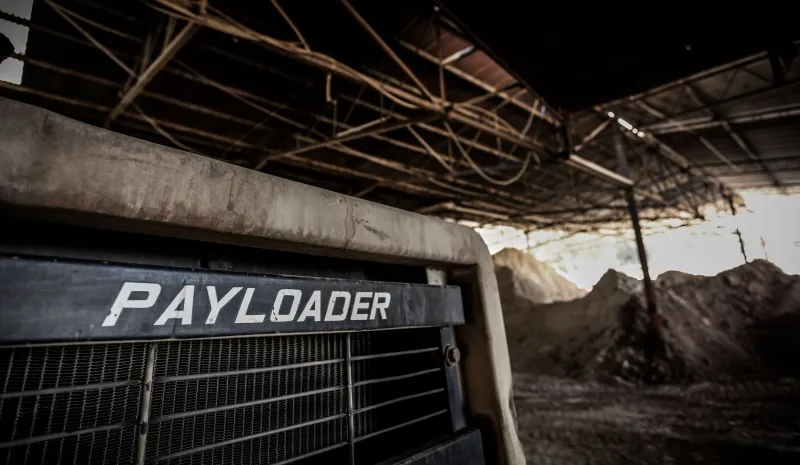
Across American manufacturing and construction sites, decades-old heavy equipment is quietly reaching the boundaries of its original design specifications — while production demands show no sign of slowing. For industrial operators caught between aging iron and escalating workloads, the retrofit-versus-replace decision has never carried higher financial or safety stakes.

Lean to a Fault: How Just-In-Time Parts Strategies Are Leaving American Equipment Operators Exposed

Lean to a Fault: How Just-In-Time Parts Strategies Are Leaving American Equipment Operators Exposed

The just-in-time procurement model promised to eliminate waste and reduce carrying costs across American industrial operations — and for decades, it largely delivered. But in today's fractured supply environment, the same lean principles that once sharpened competitive edges are now cutting into uptime, revenue, and operational stability. This analysis examines where the model is breaking down and what operators can realistically do about it.

Drivetrain in Distress: How Transmission Component Shortages Are Straining Heavy Equipment Operations Across America

Drivetrain in Distress: How Transmission Component Shortages Are Straining Heavy Equipment Operations Across America

Transmission systems and drivetrain components have emerged as some of the most difficult parts to source in the heavy equipment sector, leaving distributors and end-users caught in extended lead-time cycles. Regional dealers are being forced to rethink procurement strategies from the ground up as traditional supply channels fail to keep pace with demand. Understanding where the vulnerabilities lie — and how to work around them — is now a core competency for any serious industrial buyer.

Wrenches Without Hands: The Deepening Technician Crisis Reshaping Heavy Equipment Service

Wrenches Without Hands: The Deepening Technician Crisis Reshaping Heavy Equipment Service

Equipment dealerships and service centers across the United States are confronting a workforce crisis that goes far deeper than simple hiring difficulty. A structural mismatch between certification pipelines, industry compensation norms, and the accelerating complexity of modern machinery is leaving service bays understaffed and customers waiting. Forward-thinking distributors are rewriting the playbook on recruitment, retention, and technical training—before the problem becomes irreversible.

Standing Ground: How Regional Equipment Distributors Are Outmaneuvering the Consolidation Wave

Standing Ground: How Regional Equipment Distributors Are Outmaneuvering the Consolidation Wave

Mega-mergers are redrawing the map of heavy equipment distribution across the United States, placing independent regional dealers under mounting competitive pressure. Yet a growing number of smaller distributors are discovering that scale alone does not win industrial buyers—and they are building defensible positions that national players struggle to replicate.

Connected Iron: How Telematics and Real-Time Monitoring Are Rewriting the Economics of Heavy Equipment Fleets

Connected Iron: How Telematics and Real-Time Monitoring Are Rewriting the Economics of Heavy Equipment Fleets

IoT sensors and telematics platforms are fundamentally altering how American fleet managers operate heavy machinery, shifting maintenance from reactive guesswork to data-driven precision. The financial implications are substantial, but so are the implementation challenges facing operations of every size. This analysis examines where the technology stands, what it genuinely delivers, and which equipment categories are leading adoption across U.S. industry.

Plugged In or Left Behind? The Real Obstacles Slowing Electric Heavy Equipment Adoption Across American Industry

Plugged In or Left Behind? The Real Obstacles Slowing Electric Heavy Equipment Adoption Across American Industry

The promise of electric heavy equipment has generated significant attention across U.S. manufacturing and construction sectors, yet adoption rates remain stubbornly low. Beyond the familiar conversation about sticker prices, a more complex set of structural, operational, and regulatory obstacles is shaping the decisions of American industrial buyers. This analysis examines what is genuinely holding the industry back—and where early movers are already gaining ground.

Beyond the Fluid Change: How Next-Generation Hydraulic Technology Is Adding Years to Heavy Equipment Life

Beyond the Fluid Change: How Next-Generation Hydraulic Technology Is Adding Years to Heavy Equipment Life

Modern hydraulic fluid science has advanced far beyond simple lubrication, with synthetic formulations and intelligent condition monitoring transforming how U.S. manufacturers protect their most valuable machinery investments. Operations that have adopted these technologies are reporting measurable reductions in component wear, fewer unplanned shutdowns, and dramatically extended service intervals. This analysis examines the innovations driving that shift and what they mean for industrial buyers

Closing the Operator Gap: How Workforce Training Is Reshaping Competitive Advantage in American Industry

Closing the Operator Gap: How Workforce Training Is Reshaping Competitive Advantage in American Industry

A deepening shortage of certified heavy equipment operators and qualified technicians is quietly straining U.S. manufacturing and construction operations from coast to coast. Companies that respond with structured training programs and apprenticeship partnerships are discovering that workforce development is no longer a human resources concern — it is a core business strategy. This analysis examines where the gap is widest, what leading organizations are doing about it, and how equipment supplie

Stocking Smart: How U.S. Industrial Operations Are Rethinking Parts Inventory in an Era of Unpredictable Supply

Stocking Smart: How U.S. Industrial Operations Are Rethinking Parts Inventory in an Era of Unpredictable Supply

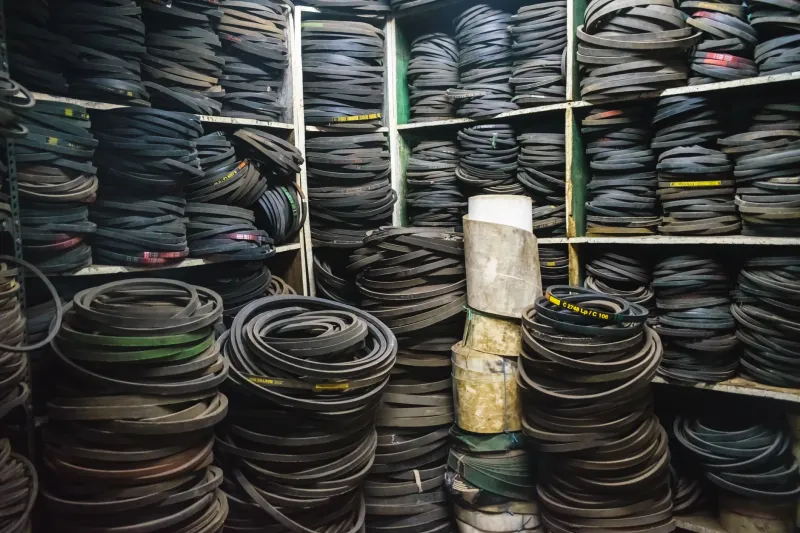
Supply chain disruptions have permanently altered the calculus of parts inventory management for American manufacturers and construction firms. Equipment managers are no longer simply choosing between lean and stocked shelves — they are building adaptive frameworks that balance carrying costs against the very real risk of extended lead times and unplanned downtime. This analysis examines where the industry stands today and what forward-thinking operations are doing differently.

Every Minute Counts: The True Financial Toll of Unplanned Equipment Downtime in U.S. Manufacturing

Every Minute Counts: The True Financial Toll of Unplanned Equipment Downtime in U.S. Manufacturing

Unplanned machinery downtime costs American manufacturers billions of dollars annually, yet many facilities continue to underestimate its cascading impact on operations, workforce productivity, and long-term competitiveness. From idle labor costs to missed delivery windows, the financial consequences extend far beyond the immediate repair bill. Understanding the full scope of these losses is the first step toward building a more resilient production environment.